Irish MEP McNamara tapped AI Omnibus rapporteur
Contributors:
Joe Duball
News Editor
IAPP
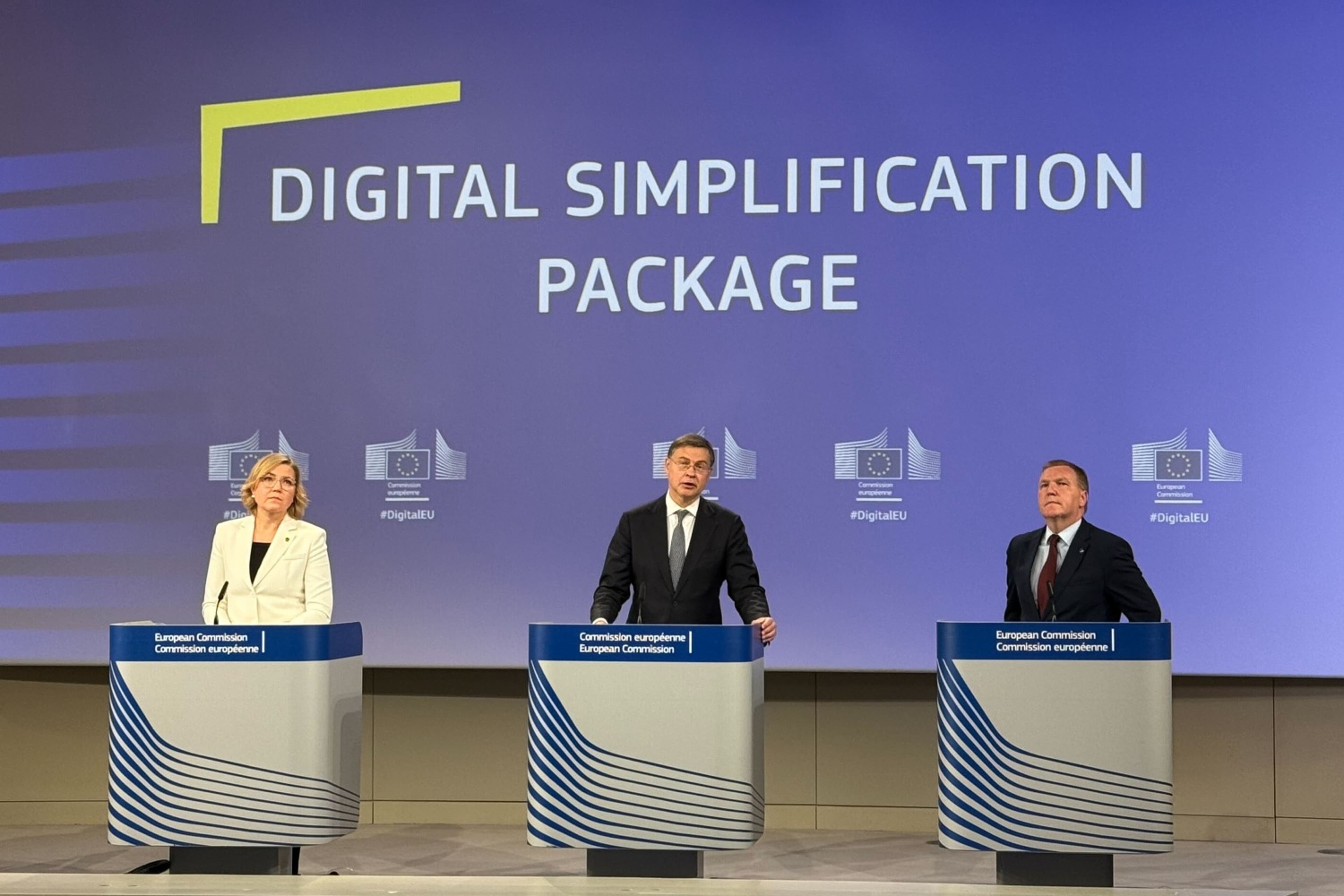
European Parliament rapporteur appointments for the European Commission's proposed Digital Omnibus and AI Omnibus are beginning to trickle out. Irish Member of European Parliament Michael McNamara confirmed he was appointed AI rapporteur while the data rapporteur will soon be revealed.
Parliament's Conference of Presidents recently announced committee assignments for MEPs' side of omnibus negotiations. The Committee on Civil Liberties, Justice and Home Affairs and the Committee on Internal Market will share the work on the AI proposal. For the data-focused omnibus, it will go to the LIBE Committee, and the Committee on Industry, Research and Energy will be charged with landing on a negotiating position.
"The AI Act was adopted to protect fundamental rights, ensure legal certainty, and create the conditions for responsible innovation in Europe," McNamara said in a public statement submitted to the IAPP. "The task now is to ensure that any amendments genuinely improve implementation without weakening the Act’s core safeguards. Speed matters, especially with high-risk AI deadlines in August 2026 but urgency cannot replace evidence, transparency, or accountability."
In his LinkedIn post confirming his selection, McNamara also called attention to how negotiations might address the regulation of nonconsensual explicit deepfake images in the wake of controversy around generation of such images by social platform X's AI chatbot, Grok. The platform reportedly removed Grok's "nudify" deepfake capabilities following backlash from global regulators, but McNamara remains intent on exploring whether AI Act applicability is sufficient and appropriate in such instances.
He said the potential classification of intimate deepfakes as a prohibited practice would "provide legal clarity, strengthen enforcement, and ensure the Act remains responsive to real-world harms."
McNamara is not new to the AI Act debate. He co-chairs Parliament’s joint IMCO–LIBE Working Group on the Implementation and Enforcement of the AI Act. After the landmark law came online, he was among the MEPs supporting a potential delay on portions of the law to allow stakeholders time to get their bearings and understand compliance needs.
"The AI Act is very far from perfect, but I do think it was a welcomed attempt to govern in this area," McNamara said at the IAPP and Berkman Klein Center For Internet and Society's Digital Policy Leadership Retreat 2025 as the European Commission explored a need to pause portions of AI Act requirements on general-purpose AI models while there was an ongoing lag on related codes of practice. "I think a delay is acceptable, but there comes a point at which any delay, if it's for a long time, just kind of deprives (the regulation) of the momentum it needs to work. That would be a concern."
That debate is playing out again with the AI Omnibus being considered ahead of the act's full applicability 2 Aug. The Cyprus Presidency of the Council of the European Union reportedly wants to have the council's negotiating position settled before its six-month terms concludes in July.
McNamara also acknowledged time is of the essence given the relevancy of the AI portfolio.
"Europe’s ambition should be to legislate quickly and wisely. If the EU wants to remain a global standard-setter on artificial intelligence, it must show confidence in its regulatory framework and ensure that innovation is supported by clarity, enforcement credibility, and public trust," he said in his public statement.
Joe Duball is news editor for the IAPP.

This content is eligible for Continuing Professional Education credits. Please self-submit according to CPE policy guidelines.
Submit for CPEs