AI and machine learning
A process where machines learn from experience, adjusting to new inputs and performing tasks previously done by humans.
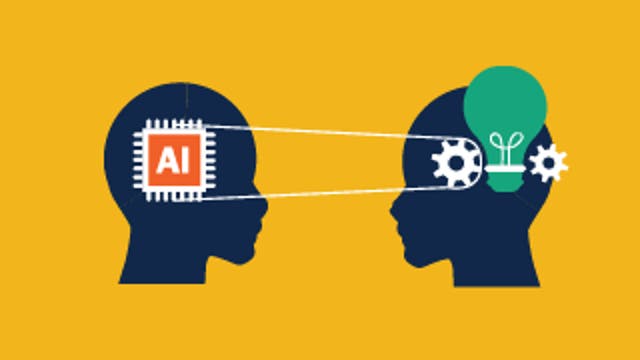
A process where machines learn from experience, adjusting to new inputs and performing tasks previously done by humans.

The multidimensional competencies and skills necessary to manage and deploy AI systems responsibly and in compliance with legal requirements.

The software, tools and platforms responsible for facilitating connections between advertisers and their target audiences.

Comparison of an organization’s practices to industry standards and best practices.

Data concerning the intrinsic physical or behavioral characteristics of an individual.

Information related to career development, building professional skills and navigating career paths in the digital responsibility realms.

Privacy and protections for children and youth in a digital environment.

News updates and insights about IAPP members and stakeholders in privacy, cybersecurity and AI governance.

First- and third-party technology that helps organizations manage, operationalize and scale for legal and regulatory obligations.

The faith consumers have in an organization or technology and the assumptions they make about how it functions.

The process of safeguarding digital information throughout its entire life cycle to protect it from corruption, theft or unauthorized access.

The processing and governance of employee data and employees' rights over such processing.

The act or process of compelling compliance with a law, regulation or agreement.

A code of behavior recommending concepts of what is right and wrong in relation to data, technologies and digital environments.

Standards, frameworks and other aligned materials which provide a defined and recognized structure for managing digital governance.

Where local, state, or national public authorities have the ability or authority to access data or technologies that may be privately owned and controlled.

The identifiable characteristics that determine who a person or entity is and the process whereby an organization can confirm or an individual can prove that identity.

The process for logging, responding and reporting organizational privacy, AI and security incidents according to the severity of the type of the incidents.

Creations like inventions, artistic works and designs, where the creator of each work is granted exclusive proprietary rights under most legal frameworks, including under copyright, trademark, patent and design law.

The mechanism in place to legitimatize the transfers of personal information across jurisdictional boundaries.

Technology with sensors, processing ability, software and other technologies that connect and exchange data with other devices and systems over the Internet or other communications networks.

Binding legislative authority in a local, regional or international jurisdiction, generally enacted through statutes, that compels compliance.

Disputes over issues that arise because of purported violations of the law. In many jurisdictions, the binding decision on a specific case is of broader application.

Privacy, AI governance and data security considerations that arise during or after a merger or acquisition.

The interaction, effect and consequence of technology and law on personal interests, rights and well-being.

The act of building privacy values, principles and requirements into the design, development and operations of technologies, systems and services

Technologies embodying fundamental privacy principles by minimizing personal data use, maximizing data security and empowering individuals.

Creation, governance and implementation of an organization’s privacy, AI and cybersecurity policies.

Agency statements that explain or interpret statutes or regulations, usually intended to inform the public and organizations about complex policy topics.
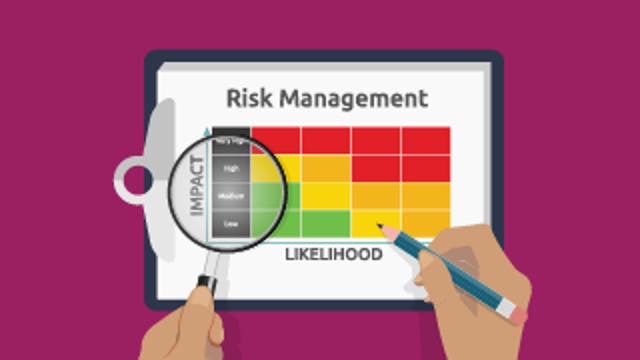
The process of assessing and mitigating digital governance risks faced by an organization, including the scale of those risks and potential impacts.

The development and execution of a digital governance plan or strategy designed to achieve a long-term or overall aim.

The observation and/or capturing of an individual's activities.
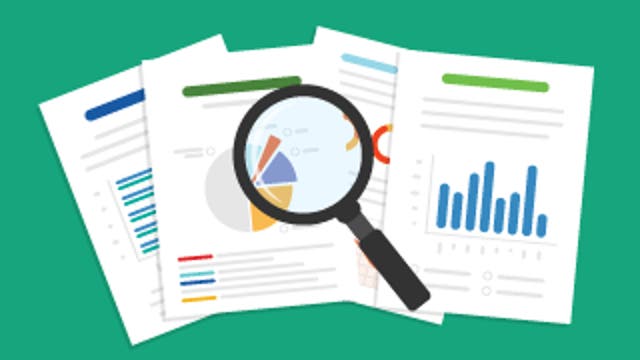
The process of assessing the accuracy, efficiency or security of a system to examine whether the tool is performing as expected and whether it is compliant with relevant standards or regulations.

Laws that have been enacted by Congress or a federal agency that govern behavior across the entire United States.
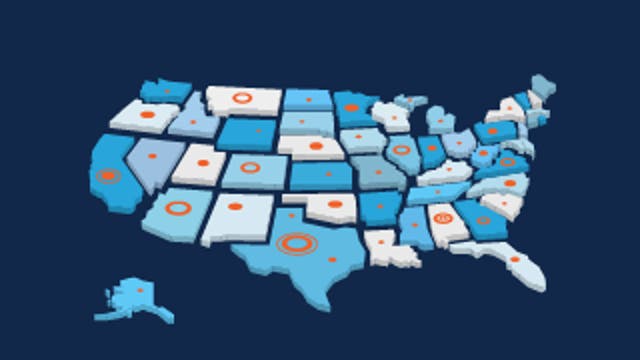
Laws that have been enacted by an individual state that govern behavior within that state.