A view from Brussels: Paving the way for EU measures to minors' online safety

The final report of the European Commission's child online safety panel suggests the EU is moving beyond debate over social media bans toward a broader framework for protecting minors online.
Contributors:
Isabelle Roccia
CIPP/E
Managing Director, Europe
IAPP
Editor's note
The IAPP is policy neutral. We publish contributed opinion pieces to enable our members to hear a broad spectrum of views in our domains.
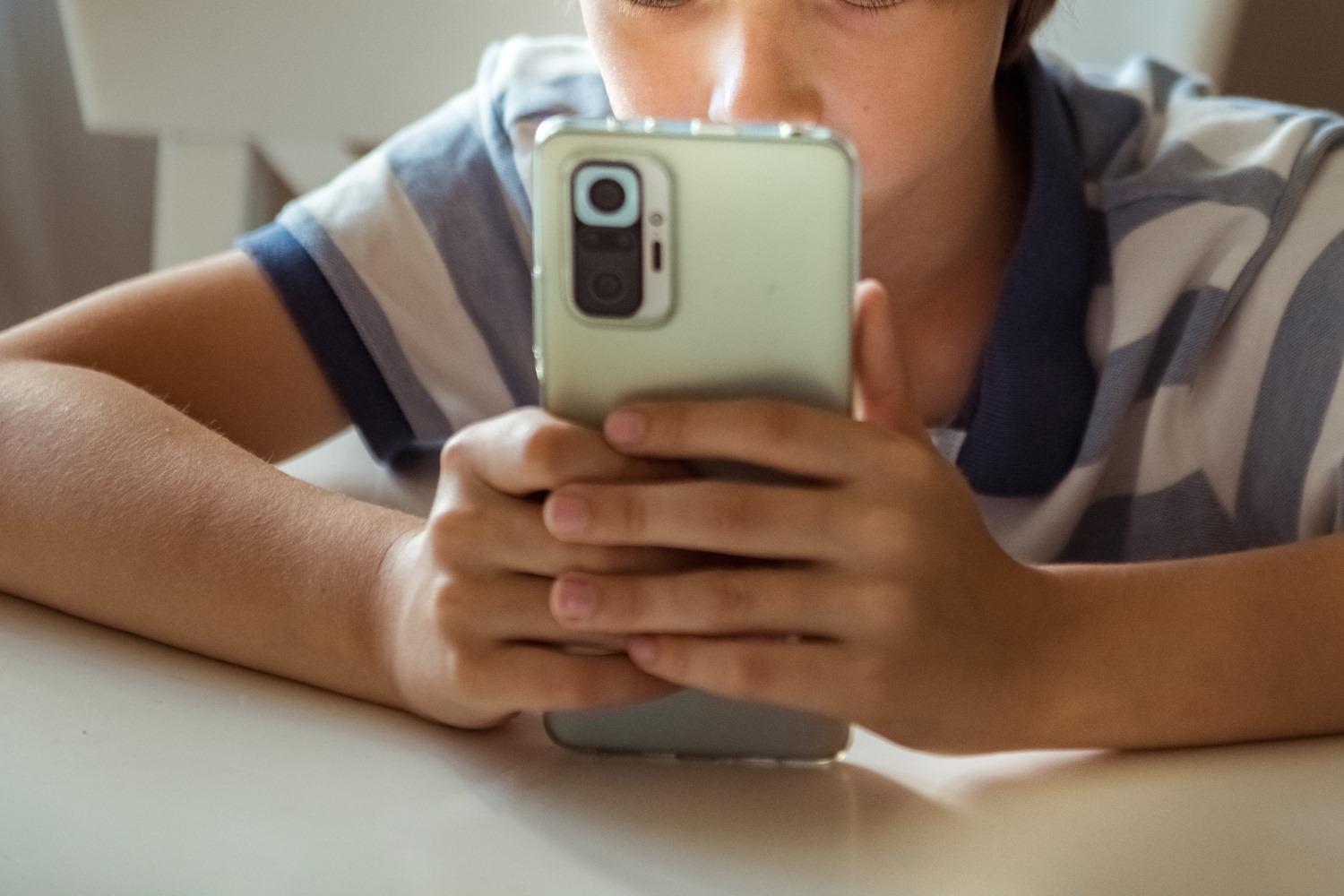
We have all witnessed this scene many times: A teenager, a young kid, looking at their phone on the metro, at a restaurant table, sitting on school stairs, the body cramped, appearing oblivious to the environment surrounding them.
By now, a plethora of studies and statistics attest not only to the damage doom scrolling and excessive screen time can have on minors but also to the general public, largely calling on public authorities to act.
The European Commission has been preparing the ground for an EU-level response for months now. It builds on years of laws and strategies serving minors online more broadly across privacy, audiovisual services, transparency, law enforcement, consumer law and more.
In March 2026, the Commission established a panel on online child safety and possible social media age restrictions. The panel reviewed scientific evidence on the impact of social media and the digital environment on children, assessed existing EU and national measures and developed recommendations to better protect and empower young people online.
Its final report was presented this week. While it contains nonbinding recommendations, organizations who serve minors online should take note, for it likely prefaces Commission initiatives to come this fall.
The concept of a blanket social media ban is a hard sell politically, and with doubtful effectiveness as the recent U.K. and Australia examples show. The special panel recommends something craftier and which, if followed to the letter by the Commission, could be very consequential.
The report suggests capturing companies well beyond traditional social media — from social media to artificial intelligence companions and some video games. It also recommends putting the burden of proof of kids' online safety on platforms to attest that their services are safe.
It begs the question of what criteria the Commission would use to identify problematic platforms. Would it use objective commercial criteria and design features? Would it venture into ethics, socioeconomic factors like the report suggests? Would it command a zero-risk environment and if not, what risk would be acceptable? Assuming a majority agrees with the destination, the journey there will be immensely complex.
It would create very real governance challenges for these operators: how to cater to the different age categories when designing services; how to navigate the complex interplay of existing laws and guardrails with this extra layer of protection; and how to untangle the chain responsibility, accountability and duty-of-care in an online environment where these concepts are still fairly new.
President of the European Commission Ursula von der Leyen draws very clear steps ahead from the panel's recommendations: the Commission will have to consider the type of platforms that are harmful to children — from social media platforms to AI companions and certain types of videogames — and consider phased and gradual access for different age ranges.
So, the question is no longer if, or even when, but how will the EU tackle minors online safety and how will it ensure coherence across its legislative canvas and policy agenda across privacy, AI, law enforcement and consumer protection.
This article originally appeared in the Europe Data Protection Digest, a free weekly IAPP newsletter. Subscriptions to this and other IAPP newsletters can be found here.

This content is eligible for Continuing Professional Education credits. Please self-submit according to CPE policy guidelines.
Submit for CPEsContributors:
Isabelle Roccia
CIPP/E
Managing Director, Europe
IAPP