A view from Brussels: Hot off the press — An initial reaction to the DFA

The European Commission's proposed Digital Fairness Act aims to strengthen online consumer protections and harmonize compliance across all 27 EU countries, while raising questions about overlap with existing laws and business impacts.
Contributors:
Isabelle Roccia
CIPP/E
Managing Director, Europe
IAPP
Editor's note
The IAPP is policy neutral. We publish contributed opinion pieces to enable our members to hear a broad spectrum of views in our domains.
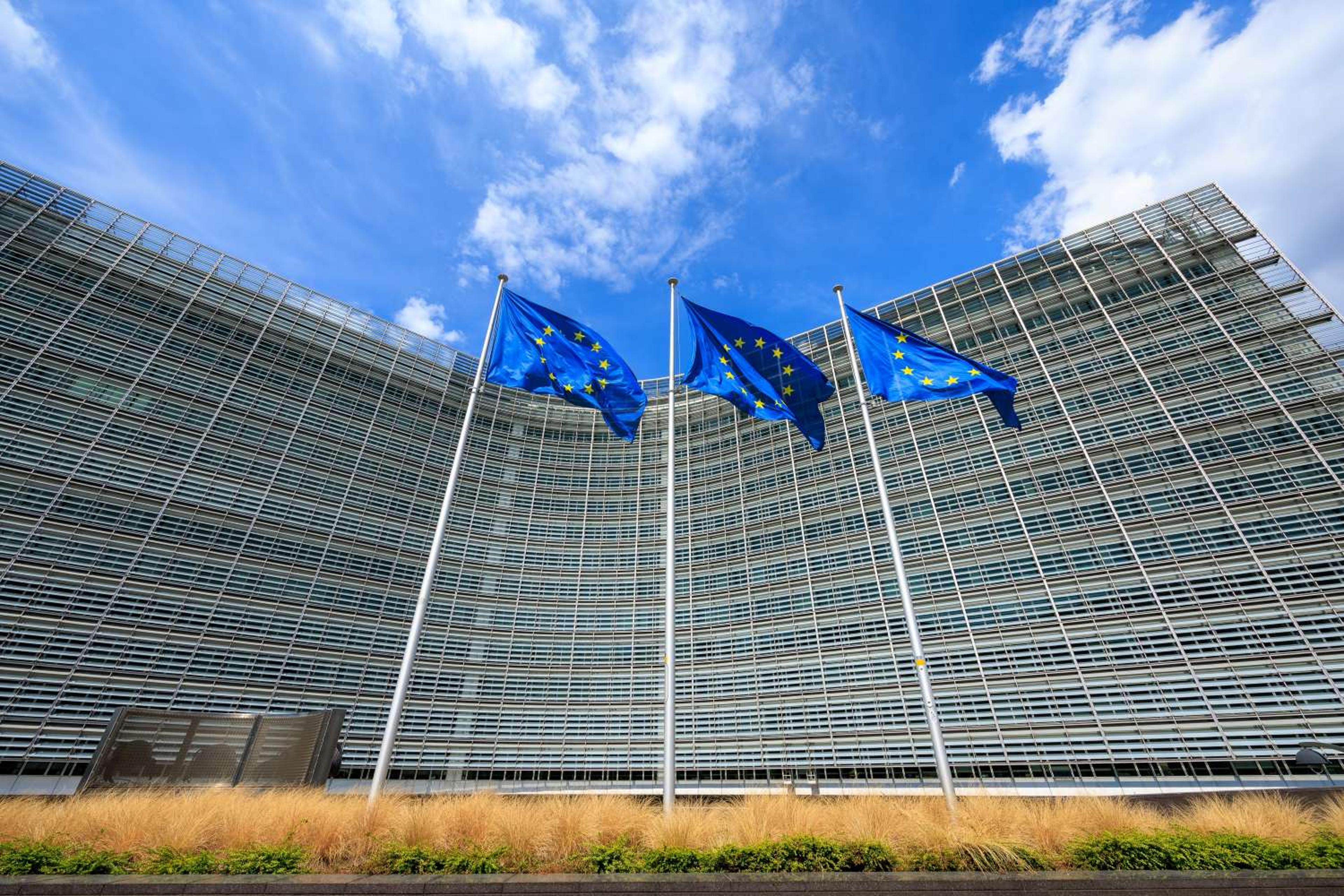
It's difficult to miss the news item of the week in Brussels. After months of speculation and anticipation, the European Commission finally released its proposal for the Digital Fairness Act.
The DFA is part of a broader consumer protection package in the online environment. In part it updates some rules — some shaped 20 years ago when the world was more analog than digital. Arguably, updating these rules was both inevitable and necessary.
As previewed in earlier digests, the DFA addresses a range of issues. Interestingly, the proposal is as much about protecting users online by providing stronger protections, meaningful choice and fair treatment, as it is about making compliance easier for businesses.
The fact that the proposal is a regulation that will be directly applicable in all 27 EU countries is a key element of harmonization. The European Commission estimates that the proposal could lead up to 13.7 billion euros annually in consumer savings.
At this stage, the DFA is only a days-old proposal. It will be negotiated with EU member states, the European Parliament and a wide range of noninstitutional stakeholders such as online businesses, consumer protection organizations and other interest groups.
At this early stage, observers could legitimately wonder what legislative gaps the DFA aims to fill that the crowded legal environment applicable to the digital space does not already address. Businesses already operate under a thick body of rules covering consumer protection, data protection, platform regulation, AI and others that cross paths with the DFA proposal.
Just last week, the Commission released preliminary findings under its enforcement powers in the Digital Services Act, focusing on the so-called "rabbit hole" effect associated with TikTok's recommender system, referring to the company's design as potentially harmful when users are repeatedly exposed to content related to sadness, isolation or body image concerns.
Is the DFA introducing genuinely new tools that organizations, consumers and regulators do not already have, or does it add another layer of complexity to an already crowded regulatory landscape?
A takeaway at this early stage has to do with the DFA's potential implications for product design teams and business revenue models. In its efforts to tackle addictive design, overspending, personalized ads and dark patterns in particular, the DFA could trigger substantial design changes.
Negotiations will inevitably alter the proposal, but companies should review its provisions now and determine whether their products and commercial practices fall within its scope, as well as where new obligations could create compliance and governance challenges.
One example involves organizations that serve so-called vulnerable groups. A key question for these organizations will be how to continue using personalized advertising to reach their target audience under the restrictions the DFA could impose.
If the buzz created by the proposal in the 48 hours following its release is any indication, we are in for a rollercoaster.
This article originally appeared in the Europe Data Protection Digest, a free weekly IAPP newsletter. Subscriptions to this and other IAPP newsletters can be found here.
Contributors:
Isabelle Roccia
CIPP/E
Managing Director, Europe
IAPP