Privacy Law Specialist training
Looking to distinguish yourself as an elite U.S. privacy law attorney? The PLS designation is the badge that will set you apart and brand you as a true industry specialist. To help prepare for certification exams, the IAPP offers PLS training courses, including IAPP U.S. Private-Sector Privacy, Privacy Program Management and Privacy in Technology training.
Why train?
To earn this designation certified by the American Bar Association, attorneys must first meet the IAPP's stringent requirements.

Who should train?
Lawyers with substantial, active privacy practices who want to advertise their qualifications and distinguish themselves as privacy law experts. Attorneys must first obtain training and knowledge requirements around the CIPP/US and either CIPM or CIPT certifications.
Training and knowledge requirements
Get started on the path to PLS designation with these essential training courses.
CIPP/US training provides an in-depth view of U.S. federal and state privacy statutes; detailed analysis of sectoral laws, civil and criminal enforcement; and an overview of the EU’s General Data Protection Regulation and the California Privacy Rights Act.
The course curriculum includes:
- Understand the foundations of privacy and data protection.
- Identify the international and state-specific comprehensive laws with extraterritorial scope.
- Understand how privacy and security laws are enforced.
- Get the U.S. view of information management.
- Learn the requirements for making personal data available to law enforcement and national security agencies.
- Know the privacy issues related to disclosure of personal data in civil litigation (e.g., e-discovery, cross-border data flow, etc.).
- Comply with state data security and breach notification laws.
- Work within the boundaries of federal and state authorities.
- Understand key state-specific privacy and data security laws.
- Learn data collection and use regulations specific to the medical, financial, education, telecommunications and marketing industries.
- Understand Federal Trade Commission cross-sector privacy protection.
- Understand workplace privacy concepts.
- Maintain privacy before, during and after employment.
CIPM training teaches a process for conceptualizing, designing, building and operating a data privacy management program.
The course curriculum includes:
- Identify privacy program manager responsibilities.
- Manage risk throughout the data life cycle.
- Create a program framework.
- Evaluate privacy technology vendors.
- Understand governance, risk management, auditing and compliance.
- Comprehend key global privacy and data protection laws, regulations and standards.
- Comply with cross-border data transfer regulations.
- Respond to data subject requests.
- Map and inventory data.
- Use privacy impact assessments and data protection impact assessments.
- Accommodate privacy-related human resources concerns.
- Develop policies for privacy, information security, acceptable use, data retention and destruction.
- Understand the benefits inherent in proper privacy and data protection training.
- Establish data protection training and awareness programs.
- Implement and evaluate security, access and technical privacy controls.
- Adopt privacy-by-design practices.
- Distinguish privacy and security incidents from breaches.
- Detect, investigate, report and recover from privacy and security breaches.
- Know your audience.
- Examine four types of metrics.
- Audit a privacy program in five phases.
CIPT training teaches technology and data professionals how to understand and integrate strategies and techniques to reduce privacy risks.
The course curriculum includes:
- Apply privacy risk models and frameworks.
- Employ value-sensitive design principles in product development.
- Understand the data life cycle.
- Comprehend the fundamentals of privacy-related technology.
- Detail the privacy-technology relationship.
- Understand the technologist’s data protection responsibilities.
- Employ privacy-by-design principles.
- Recognize privacy threats and violations in the data life cycle.
- Discover privacy risks associated with intrusions, decisional-interference and self-representation.
- Secure software.
- Apply privacy-enhancing technologies and strategies.
- Identify privacy objectives.
- Spot privacy risks in software.
- Apply privacy-by-design patterns.
- Identify privacy risks of automated decision-making.
- Understand privacy impacts of tracking and surveillance.
- Learn data protection concerns of anthropomorphism, ubiquitous computing and mobile social computing.
Pick your training format
The IAPP provides flexible and engaging learning experiences. Choose from online, live online, in-person and group learning environments.
Online
Learn at your own pace with online training modules that present content from highly experienced instructors through video, audio, text and interactive quizzes.
Live online
Train from any location through a virtual classroom on your computer and experience the same real-time back-and-forth exchange of ideas of a physical environment.
In-person
Experience traditional, in-person learning sessions led by an industry thought leader and network with industry peers.
Group
Address your organization's digital responsibility needs with IAPP group training, delivered on-site and at your convenience.
Beware of unofficial trainers: Unofficial trainers often guarantee customers will pass IAPP certification exams. They may also claim to be authorized by the IAPP, and/or use the IAPP’s logo and seal. To see if a trainer is authorized, view our list of global IAPP Official Training Partners.
Complement Your Training
Complete your Privacy Law Specialist training experience with the following resources.
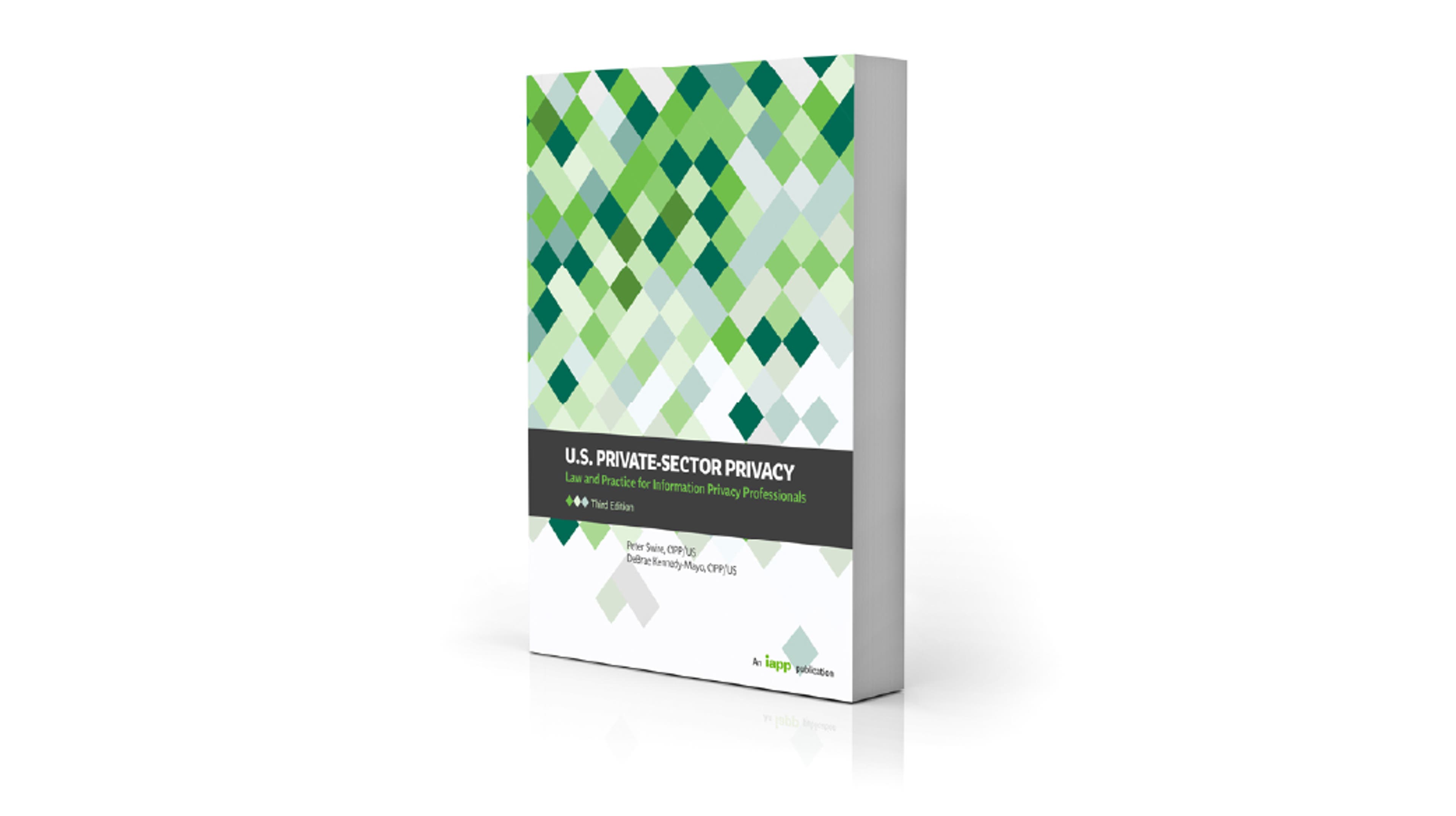
Training textbooks
Get the official textbooks for the CIPP/US, CIPM and CIPT programs.
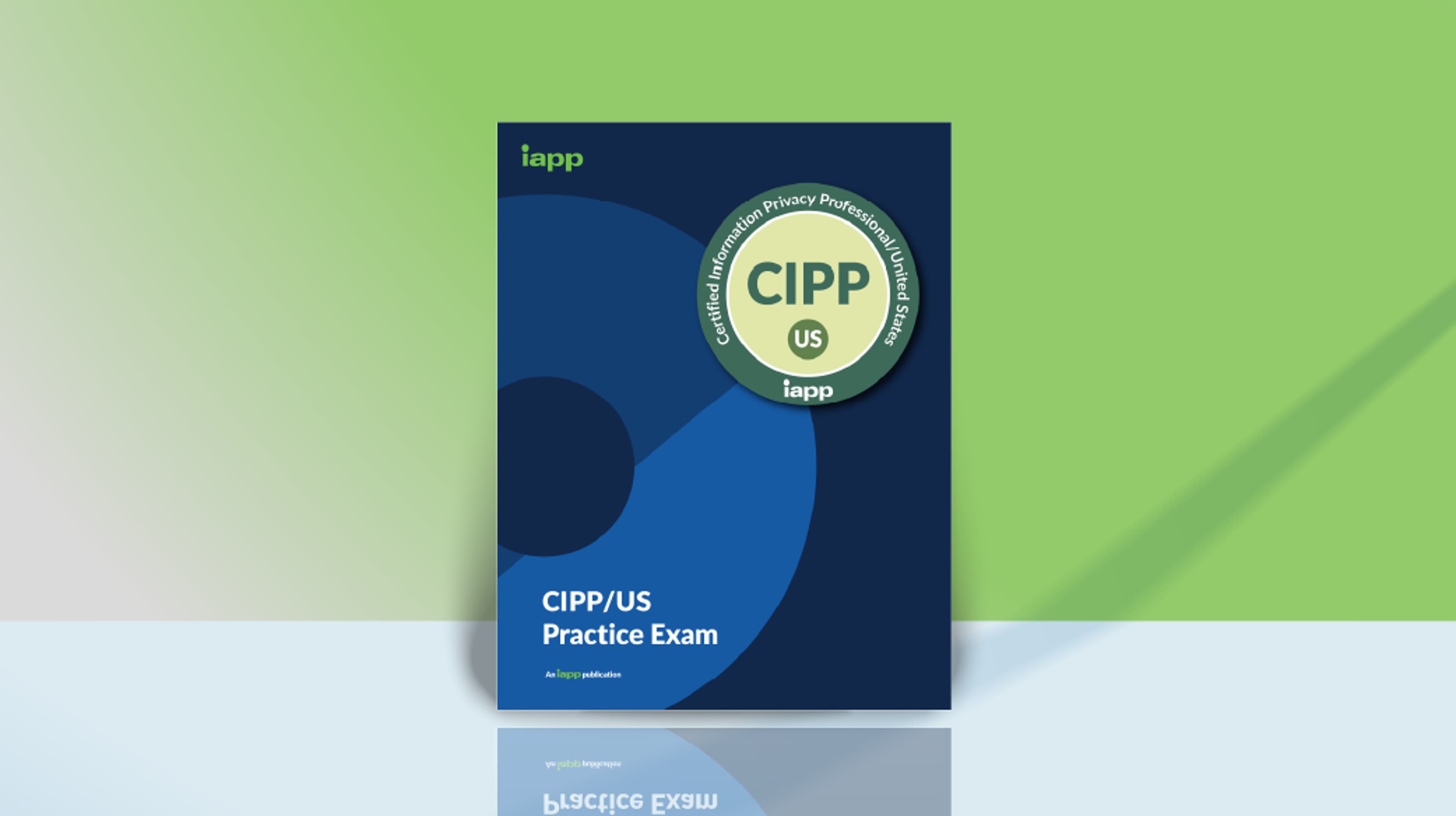
Practice exams
Test your knowledge with CIPP/US, CIPM, CIPT practice exams.
Become an IAPP member
An annual membership connects you with the professionals, tools and resources you need to navigate today's complex digital responsibility challenges.