US Supreme Court tackles legal questions, precedent in firing of FTC's Slaughter
Contributors:
Alex LaCasse
Staff Writer
IAPP
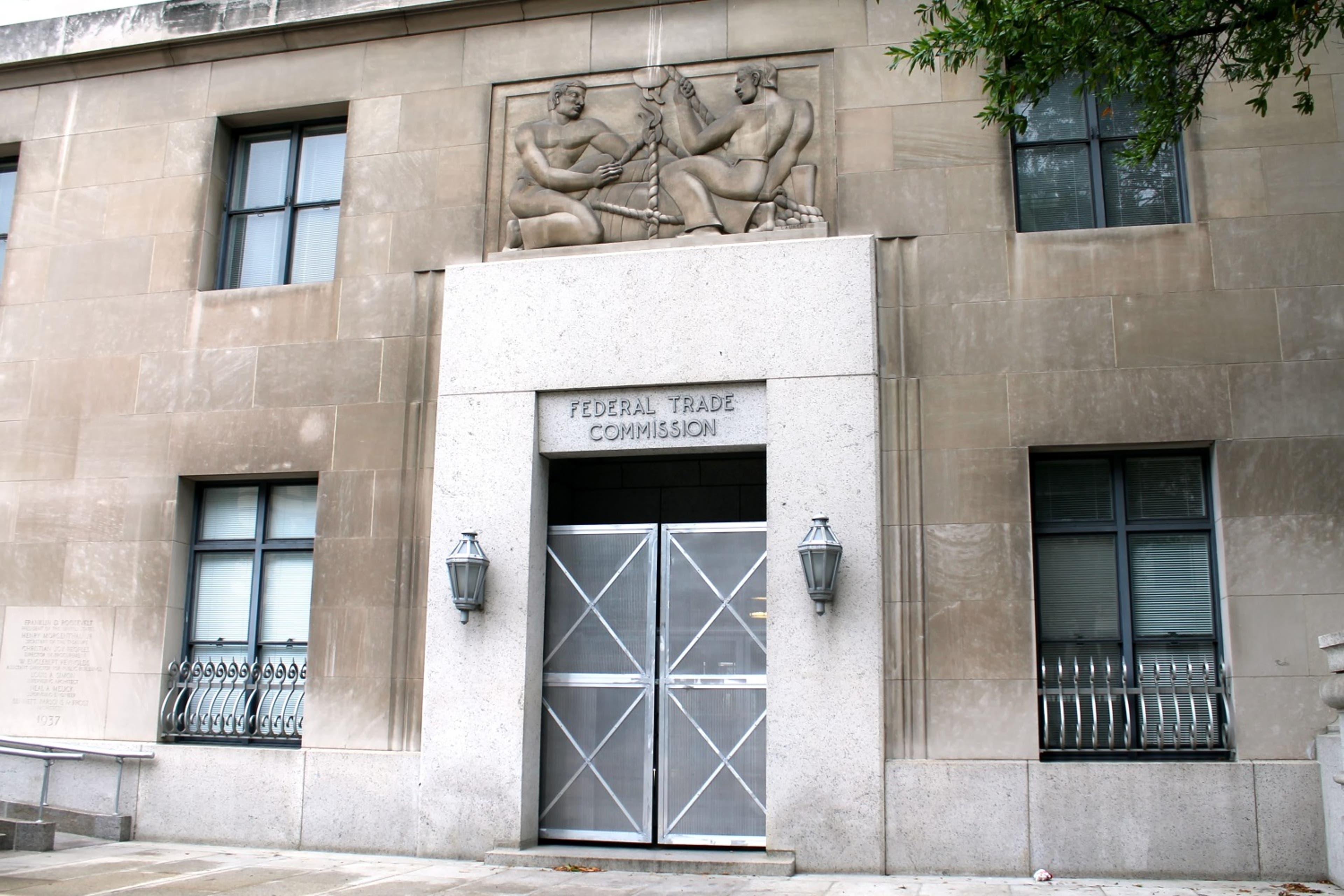
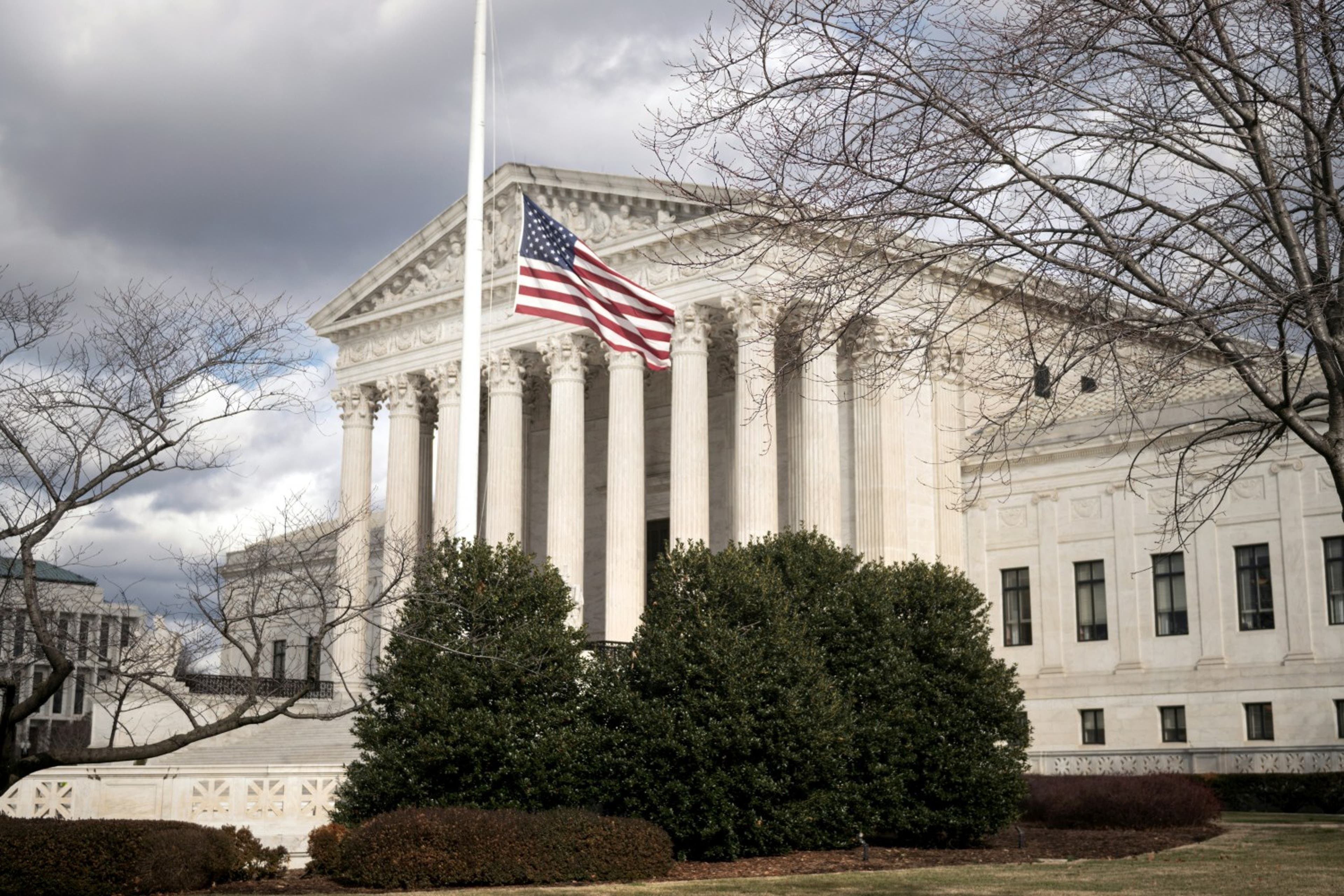
The U.S. Supreme Court heard oral arguments 8 Dec. in an appeal of a federal district court decision on the Trump administration's alleged unlawful firing of Federal Trade Commissioner Rebecca Kelly Slaughter in March.
The appeal by the administration seeks to overturn a 90-year SCOTUS precedent in which the president is only allowed to remove a commissioner of an independent federal agency for cause, with the court's final decision potentially having far-reaching effects on the expansion of power within the executive branch.
The nature of the questions asked by the full nine-justice bench signaled how the court may rule when the case is likely to be decided next summer. Conservative justices, who hold a 6-3 majority, were generally receptive to the administration’s argument that the president must be allowed to remove independent agency heads at-will as a means of ensuring democratic accountability.
With their questioning, conservative justices pressed Slaughter's attorney with primarily hypothetical scenarios in attempts to establish where the line begins and ends when deciphering the presidential authority over independent agencies. The liberal minority pointed questions at a Trump administration solicitor general on what they claimed would be real-world repercussions if the president were to be granted the authority in the face of long-standing laws passed by Congress to ensure agency independence.
The arguments
Slaughter's attorney, Amit Agarwal, argued the president has never had the legal authority, nor has ever sought the authority, to be able to remove the commissioners of independent regulatory agencies, such as the Federal Elections Commission and Nuclear Regulatory Commission, along with the FTC. He said the staggered terms of commissioners that can overlap with changes in presidential administrations is by design and a means of insulating them from political pressure.
Additionally, he said "everything is on the chopping block" in terms of the president's ability to dramatically reshape the federal government to their own desires if the court was to side with the administration.
"No tool of interpretation clearly supports the president's assertion of an unrestricted and indefeasible authority to fire the heads of traditional independent agencies like the Federal Elections Commission and the Nuclear Regulatory Commission," Agarwal said. "There is currently no case that has ever held that Congress cannot give single-layer, for-cause removal protections to a single principal officer serving on a multi-member commission."
Conservative justices asked Agarwal what would happen if a future Congress sought to claw back authority from the executive branch by restructuring cabinet-level agencies into independent commission-administered agencies, and if such a move would undermine the president's authority under Article II of the Constitution.
"I think broad delegations to unaccountable independent agencies raise enormous constitutional and real-world problems for individual liberty," Justice Brett Kavanaugh said. "Could Congress decide to convert all these departments into multi-member commissions: The Department of Commerce, EPA, Department of Homeland Security, Department of State, convert them all into multi-member commissions and make them only removable for cause?"
Solicitor General D. John Sauer said during his arguments that the SCOTUS decision in Humphrey's Executor, decided in 1935 and is what Slaughter wants upheld, was improperly considered and the president’s power to remove any agency head throughout the federal government should be "absolute." However, the liberal justices challenged Sauer on why the logic he was applying to make the case for the president having the authority to remove the heads of some independent agencies, like the FTC, but not other independent government entities like the Federal Reserve and members of the federal judiciary established under Article III of the Constitution.
"The fundamental alteration of the structure of the government was ushered in by Humphrey's, and then the Congress took Humphrey's and ran with it in the building of the monastery of the administrative state, and the proliferation of independent agencies," Sauer said. "(The notion) has been repudiated that the idea (independent agencies) have these quasi-judicial, quasi-legislative powers that are outside of executive power."
Justice Ketanji Brown Jackson asked Sauer why it was unconstitutional for Congress to exercise its Article I authority over independent agencies. She said a ruling in favor of the Trump administration's position would "open the door" for any president to "clean house" at every federal agency at the start of each new administration.
"You seem to think that something about the president requires him to control everything as a measure of Democratic accountability, when on the other side we have Congress saying we'd like these particular agencies and officers to be independent of presidential control," Jackson said. "By creating this independent structure, I don't understand why it is that the president getting to control everything can outweigh Congress’ clear authority."
There were indicators of where justices might land on the case before arguments even began.
Analysis from The New York Times into decades of SCOTUS opinions and rulings related to independent agencies showed a consistent ideology around abandoning the concept of independent agencies. The NYT highlighted a 1983 memo from now SCOTUS Chief Justice John Roberts indicating "time may be ripe to reconsider the existence" of independent agencies while characterizing them as a "constitutional anomaly."
How we got here
The case began when Slaughter filed a lawsuit after she and fellow Democratic FTC Commissioner Alvaro Bedoya were expelled from the agency in March. Bedoya also sued to attempt to be reinstated but later withdrew his lawsuit.
The U.S. District Court for the District of Columbia ruled Slaughter's firing was illegal, after which the Trump administration successfully appealed the ruling and SCOTUS issued a temporary emergency order upholding Slaughter's removal until it could hear the case.
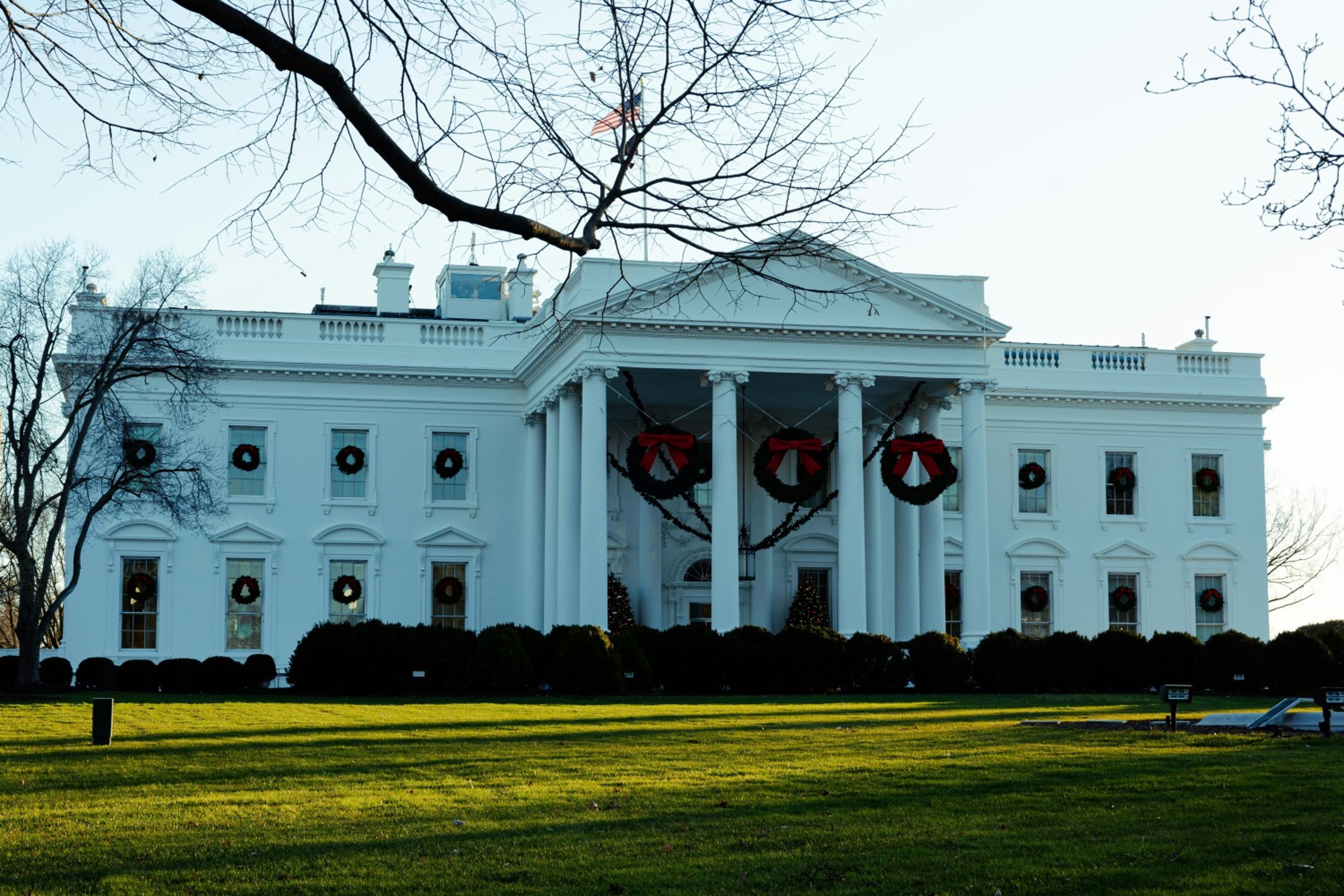
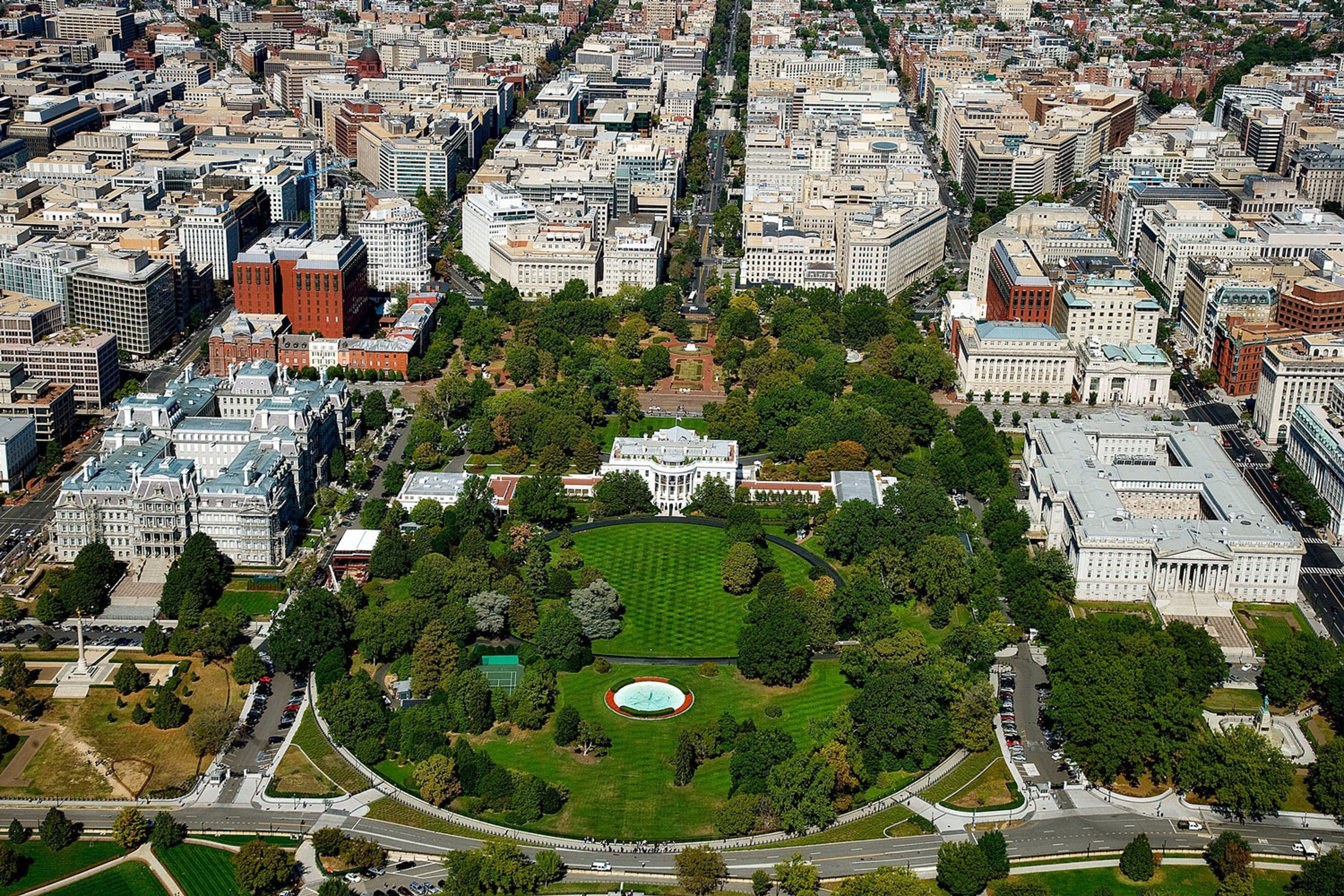
The legal fight over the president's ability to fire independent agency heads first surfaced when the White House issued an executive order 18 Feb. asserting the president has direct supervision and authority over independent agencies like the FTC under Article II of the U.S. Constitution. The order stated the FTC was among the agencies that "have exercised enormous power over the American people without Presidential oversight."
The composition of the FTC's commissioner panel is governed by congressional rules established in 1914. They stipulate Senate-confirmed presidential appointments serve seven-year terms with the possibility of reconfirmation. Prior to Trump's second term, presidents operated under the authority they could remove a commissioner for "inefficiency, neglect of duty, or malfeasance in office."
The agency is currently working with three commissioner vacancies after the White House appointed former FTC Commissioner Melissa Holyoak as interim U.S. Attorney for the District of Utah. No formal nominations have been put forth to fill the vacancies, however, Bloomberg reported in November that there have been internal discussions within the administration to potentially tap National Economic Council policy aide Ryan Baasch to fill one seat.
Alex LaCasse is a staff writer for the IAPP.

This content is eligible for Continuing Professional Education credits. Please self-submit according to CPE policy guidelines.
Submit for CPEs