European Commission fines X 120M euros for DSA violations
Contributors:
Alex LaCasse
Staff Writer
IAPP
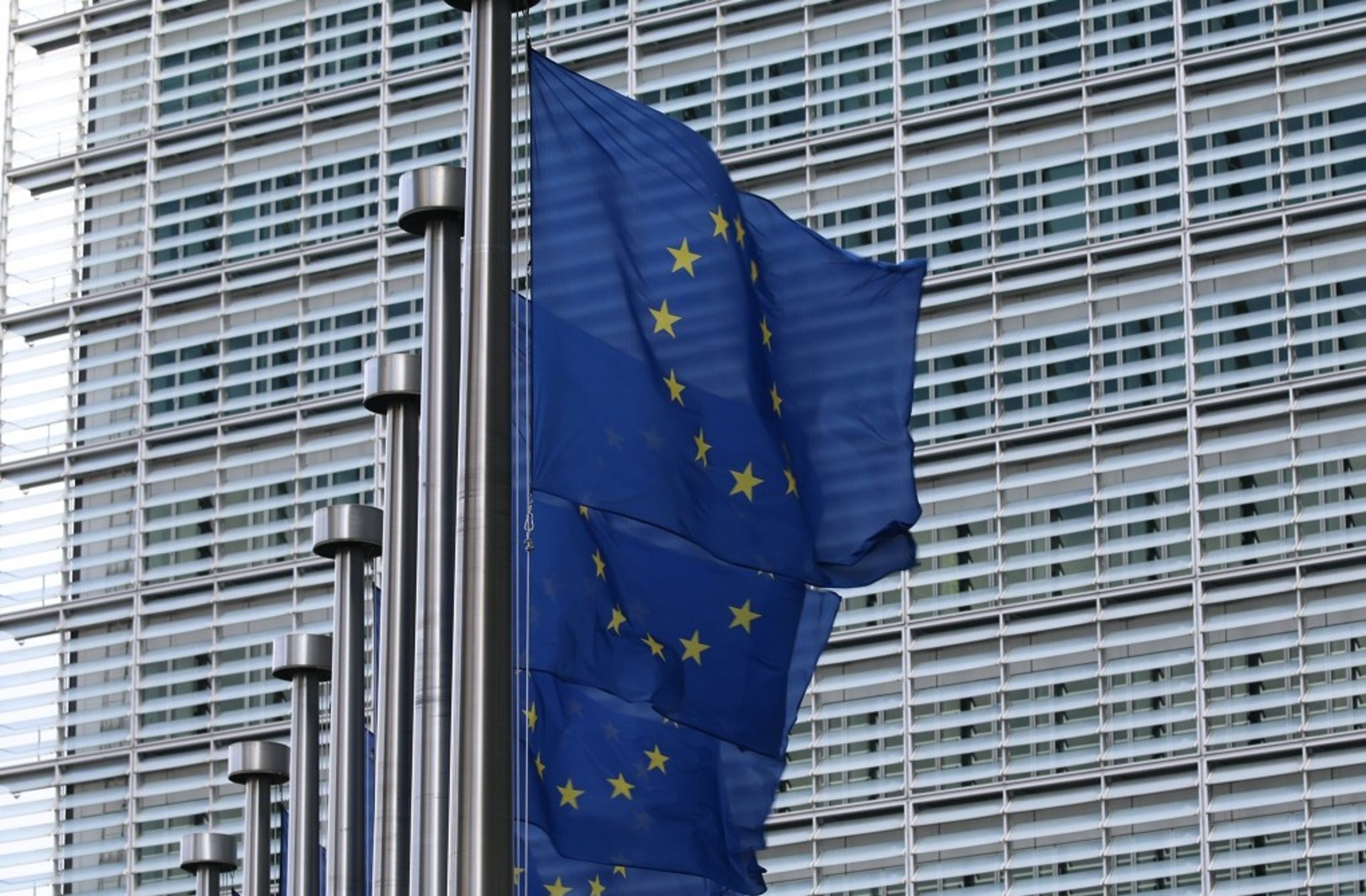
In its first enforcement action taken under the Digital Services Act, the European Commission announced a 120 million euro fine against the social platform X for multiple alleged violations.
The Commission found X, as a designated very large online platform, violated the DSA in three main areas related to transparency. It alleged X's blue check mark verification system is deceptive based on lax verification standards while also claiming issues with the platform's advertising repository and limitations around public data access for researchers.
European Commission Executive Vice-President for Tech Sovereignty, Security and Democracy Henna Virkkunen said in a statement the DSA's first enforcement action is an attempt at "holding X responsible for undermining users' rights and evading accountability." In a subsequent briefing with reporters 5 Dec., Virkkunen said X's fine was "proportionate" to the "nature of these infringements, their gravity in terms of affected EU users, and their duration," according to Politico.
"Deceiving users with blue checkmarks, obscuring information on ads and shutting out researchers have no place online in the EU," Virkkunen added while announcing the fine. "The DSA protects users. The DSA gives researchers the way to uncover potential threats. The DSA restores trust in the online environment."
Per the decision, X now has 60 business days to inform the Commission how it will resolve the findings related to its verification scheme and 90 days to present measures to increase its advertising repository transparency and enabling researchers to access public data. Once received, the Board of Digital Services will have one month to review X's submissions, and the Commission will have an additional month to issue official findings.
The Commission noted if X fails to address its alleged noncompliance issues, it could incur "periodic penalty payments." Under the DSA, companies can be fined up to 6% of global annual turnover.
X's DSA inquiry was first launched in December 2023, in which the Commission sought to investigate the circulation of illegal content and the efficacy of X's systems to "combat information manipulation." The Commission said that investigation remains ongoing, whereas the three areas of noncompliance addressed in the enforcement action were preliminarily adopted by the body in July 2024.
While the fine may be the first under the DSA, the enforcement action is already being viewed by U.S. officials as the EU engaging in digital censorship, with U.S. Vice President JD Vance taking to X to denounce the move, asserting "the EU should be supporting free speech not attacking American companies over garbage."
Trans-Atlantic political implications
The fine comes amid what EU officials claim is a U.S. pressure campaign mounted by top members of the Trump administration against the EU's digital rulebook. The fine against X represents just the latest instance where U.S. officials are pointing to the EU's digital regulations as overly punitive against U.S. technology companies.
Appearing in Brussels last week to meet with EU trade officials, U.S. Secretary of Commerce Howard Lutnick reportedly informed them the U.S. would consider a 50% reduction in tariffs placed on EU aluminum and steel if the EU committed to scaling back its digital rulebook, including the DSA.
"The idea is if they take the foot off this regulatory framework and make it more inviting for our companies, they can get the benefit of hundreds of billions, possibly one trillion of (dollars in) investment," Lutnick told Bloomberg. "In exchange for that, we will come up with a cool steel and aluminum deal."
However, in a recent interview with Politico following Lutnick's visit, European Commission Executive Vice-President for a Clean, Just and Competitive Transition Teresa Ribera said Lutnick was attempting to strong-arm the EU into watering down its regulatory ecosystem for technology.
"It is blackmail," Ribera told Politico. "The European digital rulebook is not up for negotiation."
Despite the claims over perceived digital censorship, Future of Privacy Forum Vice President for Global Privacy Gabriela Zanfir-Fortuna said it is critical to note the Commission specifically targeted X's alleged deceitful verification scheme, lack of ad transparency and lack of access to researchers in its findings.
"It is significant that this enforcement action stays entirely away from content moderation, take down processes and so on," Zanfir-Fortuna said in an email to the IAPP. "The decision is a straight arrow sanctioning lack of transparency of the ad library, failures to provide researchers access to data and deceiving users with a verified mark, which does not, in fact, verify accounts."
Stanford University Director of Platform Regulation Daphne Keller echoed the sentiments on deception, noting in a LinkedIn post that "X's violations of these other rules are so flagrant, it would be weird if the EU didn't enforce."
TikTok evades Commission penalties, for now
Further adding to the EU-U.S. back-and-forth, the European Commission announced it secured binding commitments from TikTok to address transparency concerns surrounding its advertising repository, with no financial penalty assessed.
The Commission opened a DSA inquiry into TikTok in 2024 and originally issued the company a preliminary noncompliance notice over the ad repository in May. However, the Commission adopted preliminary DSA violation findings related to its design features in October, and it still faces an investigation over its commitments to protect minors on the platform.
"The message is clear: our aim is compliance," European Commissioner Virkkunen said in a statement announcing the TikTok's conditions. "When platforms engage constructively with the Commission, we are ready to accept solid commitments."
FPF's Zanfir-Fortuna said while the Commission welcomed TikTok's commitments on ad transparency, the company is still facing further scrutiny in other areas of the DSA.
"The TikTok announcement focuses solely on transparency of the ad library and the commitments made to bring it into compliance, which satisfied the Commission," Zanfir-Fortuna said. "However, the formal proceedings opened against TikTok by the Commission in February 2024 target more areas of the DSA, notably the assessment and mitigation of systemic risks or ensuring of a high level of protection for minors, so there might be more coming."
Timing a coincidence?
Taking both European Commission's DSA actions together, Zanfir-Fortuna suggested the timing of the dual announcement is significant.
"In its public announcement today the Commission emphasized that its focus in DSA enforcement is to bring companies to compliance and not to fine them," she said. "(This) perhaps explains why the fine of X and the TikTok commitments that cure all preliminary findings of noncompliance related to the ad transparency obligations were announced at the same time."
Alex LaCasse is a staff writer for the IAPP.

This content is eligible for Continuing Professional Education credits. Please self-submit according to CPE policy guidelines.
Submit for CPEsContributors:
Alex LaCasse
Staff Writer
IAPP