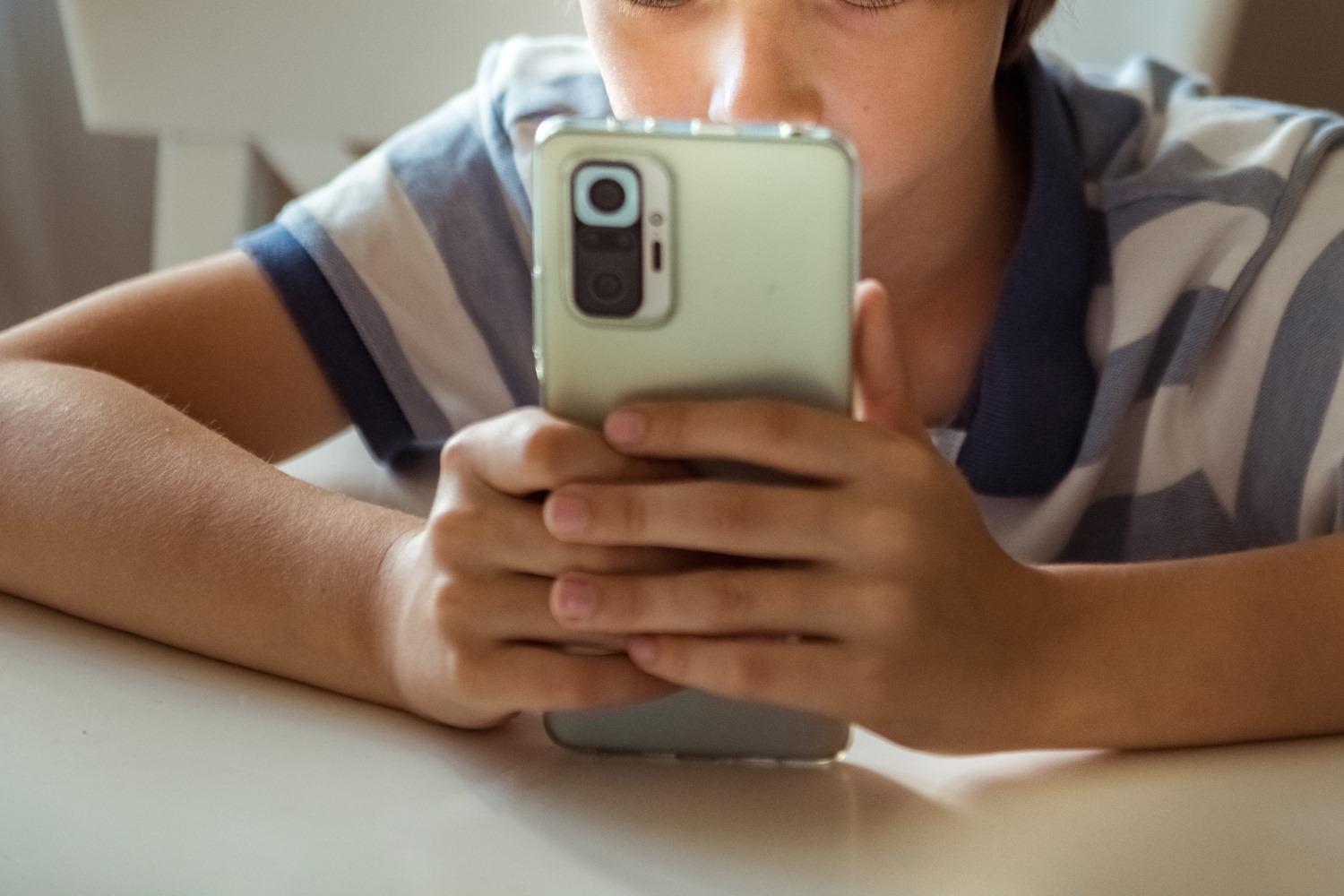
EU member states seek aligned social media restriction strategy amid global fragmentation

Leaders from around the EU convene to find a common approach to restricting children's access while other countries forge their own paths.
Contributors:
Joe Duball
News Editor
IAPP
There is a general desire among most EU member states to address minors' access to social media. But national governments moving forward with proposed rules at their own pace runs the risk of the type of fragmentation the bloc is trying clear up in its broader digital rulebook via the proposed Digital Omnibus.
Member states are showing signs they are open to harmonization. Bloomberg reports President of France Emmanuel Macron organized a meeting on social media restrictions with Germany, Greece, Ireland, Italy, Spain and European Commission President Ursula von der Leyen.
Macron reportedly referred to a unified approach to potential restrictions as an opportunity to "strengthen both the protection of children and teenagers in the digital space as well as the obligations and responsibilities of major online platforms."
Each of the countries participating on the call have signaled respective plans for either restrictions or some form of child social media ban. Only Greece has finalized their plan, with Prime Minister Kyriakos Mitsotakis recently announcing children under age 15 will be banned from using social platforms beginning 1 Jan. 2027, due to the potential impact on children's mental health.
The European Commission is prepared to support a single bloc-wide strategy with the recent finalization of its age verification app. While the Commission did not design the solution specifically to help stand up social media bans, member states lobbied for the system as part of their initial calls for social media restrictions May 2025.
While announcing the launch of the app, European Commission Executive Vice-President for Technological Sovereignty, Security and Democracy Henna Virkkunen described the importance of ensuring national verification mechanism development and use are harmonized with the Commission's app.
"We need a structured approach for EU accreditation of national solutions," she said. "And for Member States to ensure that age credentials can be issued easily and across the whole EU. And above all to ensure that we continue to build one solution for the EU, not 27 different ones."
And while the Commission touted the privacy-preserving nature of its app, cybersecurity professionals are already raising red flags. According to Cybernews, security consultant Paul Moore publicly outlined a step-by-step workaround of the new verification app while pointing out other technical flaws that will help underage users skirt age checks.
"This product will be the catalyst for an enormous breach at some point. It's just a matter of time," Moore said.
UK officials meet with social platforms as public consult continues
U.K. Prime Minister Keir Starmer and Secretary of State for Science, Innovation and Technology Liz Kendall told representatives for top social media companies that age verification practices need to be tightened, the Financial Times reports. U.K. officials gathered the platforms for a meeting where Starmer indicated "things can't go on like this" while warning that maintaining the status quo is "putting our children at risk."
Platforms were urged to redesign their age checks to match those that adult websites have adopted to comply with the Online Safety Act. Starmer and Kendall also told the companies they need to take any steps necessary to ensure children cannot bypass established age filters powered by artificial intelligence scans.
"In a world in which children are protected, even if that means access is restricted, that is preferable to a world where harm is the price of participation," Starmer said.
The meeting came as the 26 May deadline for public comment on potential U.K. social media restrictions draws closer. The consultation covers a potential social media ban for minors under age 16 while also seeking views on methods to combat addictive platform features, whether children should be able to access artificial intelligence chatbots and how to meaningfully enhance age verification requirements.
In addition to the consult, the U.K. government is running an ongoing social media restrictions pilot with 300 minors to raise additional perspective toward its policy debate.
Canada ramps up consideration for minors' social media, AI chatbot restrictions
Canadian Identity and Culture Minister Marc Miller indicated the government is "very seriously" considering rules to restrict minors' use of social media and AI chatbots, CBC News reports. "We have some work to do, frankly, if we want to get it right," he said, adding harms extend to teenagers under age 18.
Miller was responding to questions about nonbinding resolutions adopted at the Liberal Party's recent policy convention. One resolution called for an Australia-style social media ban on accounts belonging to users under age 16 while the other called for the same age ban on chatbot use.
Some form of a moratorium on both issues might be explored as an interim solution, according to Miller. Meanwhile, Minister of Artificial Intelligence and Digital Innovation Evan Solomon questioned how age verification might apply to a ban or moratorium, asking, "How (do we) do it? What's the scope and scale?"
Discussions for children's online safety have been ongoing in Canada over recent months, with Prime Minister Mark Carney noting in March that a potential ban "merits an open and considered debate." The government also reconvened its children's online safety advisory group with new meetings to be scheduled on potential policy initiatives to address emerging technologies, including AI chatbots.
Malaysia to restrict under-16 social media use
The Sun reports Malaysia's government finalized its framework to ban minors under age 16 from accessing social media. Minister of Communications Fahmi Fadzil confirmed the restrictions and complementary age verification rules will take effect in June, pending a final review.
Fadzil indicated social media companies have viewed the draft rules and are participating in a regulatory sandbox program to work through age verification solutions.
"We want to standardise the mechanism. We are not looking at just 'age assurance,' but 'age verification,' as Malaysia's legal framework differs in that we have official government documents such as the MyKad," he said.
The ban has been under consideration since November 2025. Once the rules take effect, Malaysia will join the likes of Australia and Indonesia among Asia-Pacific nations standing up minors' access restrictions.
This content is eligible for Continuing Professional Education credits. Please self-submit according to CPE policy guidelines.
Submit for CPEsContributors:
Joe Duball
News Editor
IAPP