A view from Brussels: An Irish return to the future
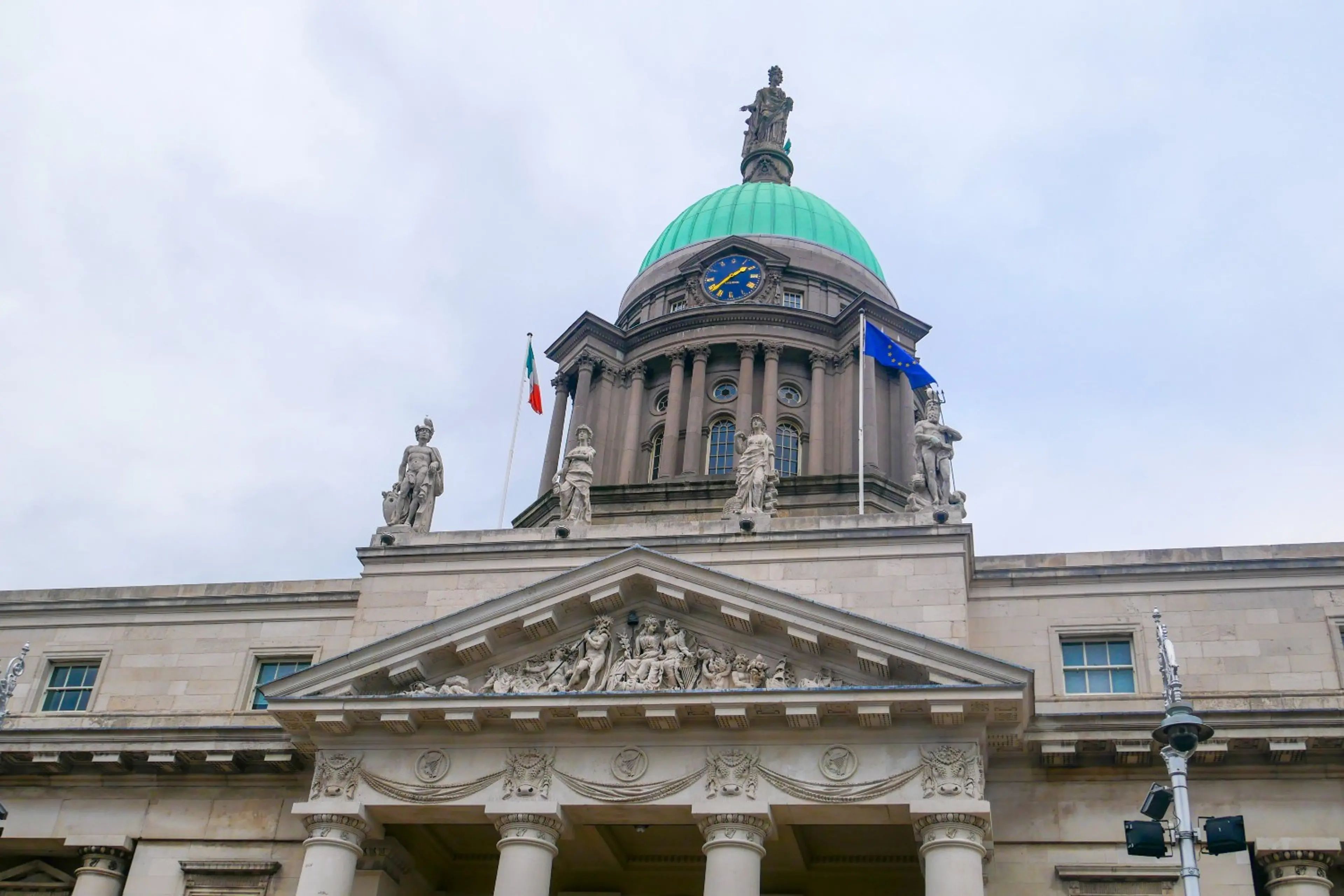
Ireland's six-month presidency of the Council of the European Union begins 1 July amid ongoing negotiations over simplification, GDPR reform, trans-Atlantic data flows and more.
Contributors:
Isabelle Roccia
CIPP/E
Managing Director, Europe
IAPP
Editor's note
The IAPP is policy neutral. We publish contributed opinion pieces to enable our members to hear a broad spectrum of views in our domains.
The first of July traditionally marks the rotation of the six-month presidency of the Council of the European Union. This time, Ireland follows Cyprus.
Ireland is no stranger to the exercise. Its last presidency stint was in the first half of 2013. The theme was "Recovery Presidency," channeling a stability, jobs and growth agenda. At the time, Brussels was working on the multi-annual implementation of the European Commission's "Digital Agenda for Europe." It focused on stimulating the music download business, modernizing e-signature and reforming the rules governing the implementation of information and communication technology standards. This felt like simpler times.
In all fairness, it might not have been such for the Irish presidency. Its mandate was marked by the modernization of data protection rules that led to the EU General Data Protection Regulation a few years later and the negotiation of a trans-Atlantic trade and investment partnership mandate for a potential EU-U.S. trade agreement — all that amid the Snowden revelations and their impact on international data transfers.
Fast forward to today and many of these topics are on the Council's desk again.
The effort to modernize the data protection rulebook is well underway though the jury is still out on its impact in practice. The discreet simplification in Omnibus IV will surgically expand the application of the record of processing activities exemption, allowing small and mid-caps companies to benefit from while preserving guardrails.
More significantly, the Digital Omnibus negotiations are still underway and are proving challenging. The Commission's proposal particularly crystallizes opposing philosophies on how to approach GDPR reform. For some, the proposal falls short of supporting innovation; for others, it threatens to weaken its fundamentals.
Several countries signaled that amending the definition of personal data and better aligning the cookie regime between the GDPR and the ePrivacy Directive are not a done deal. Ireland will pick up the file to broker an agreement among member states that proved elusive under the Cyprus presidency. This could redistribute some of the cards as "nothing is agreed until everything is agreed."
Ireland will also examine the data-flow dimension of the EU's trade relations, particularly with China and the U.S. This week, the U.S. Supreme Court in Trump v. Slaughter ruled that the president can fire a commissioner of the U.S. Federal Trade Commission. While the EU-U.S. Data Privacy Framework architecture was validated by the EU General Court last year, this ruling again raises the question of whether it is sustainable under the current U.S. administration. Political pressure will mount on the Council and Commission to take a close look at the reality on the ground.
Earlier this year, Ireland's Prime Minister Micheál Martin announced he wants Europe "to major on competitiveness in the six months of the Irish Presidency," framing the presidency around competitiveness, values and security.
Looking at the glass half-full, Ireland could not have been better prepared for the next six months but the scrutiny over the country's handling of critical digital files might be at an all-time high.
This article originally appeared in the Europe Data Protection Digest, a free weekly IAPP newsletter. Subscriptions to this and other IAPP newsletters can be found here.

This content is eligible for Continuing Professional Education credits. Please self-submit according to CPE policy guidelines.
Submit for CPEsContributors:
Isabelle Roccia
CIPP/E
Managing Director, Europe
IAPP